Blog ·
Why Nobody Fills Out Your Survey (And What Works Instead)
Survey fatigue is real: long forms get abandoned, and the few who finish are not the people you need to hear from. Here is what actually gets answered.
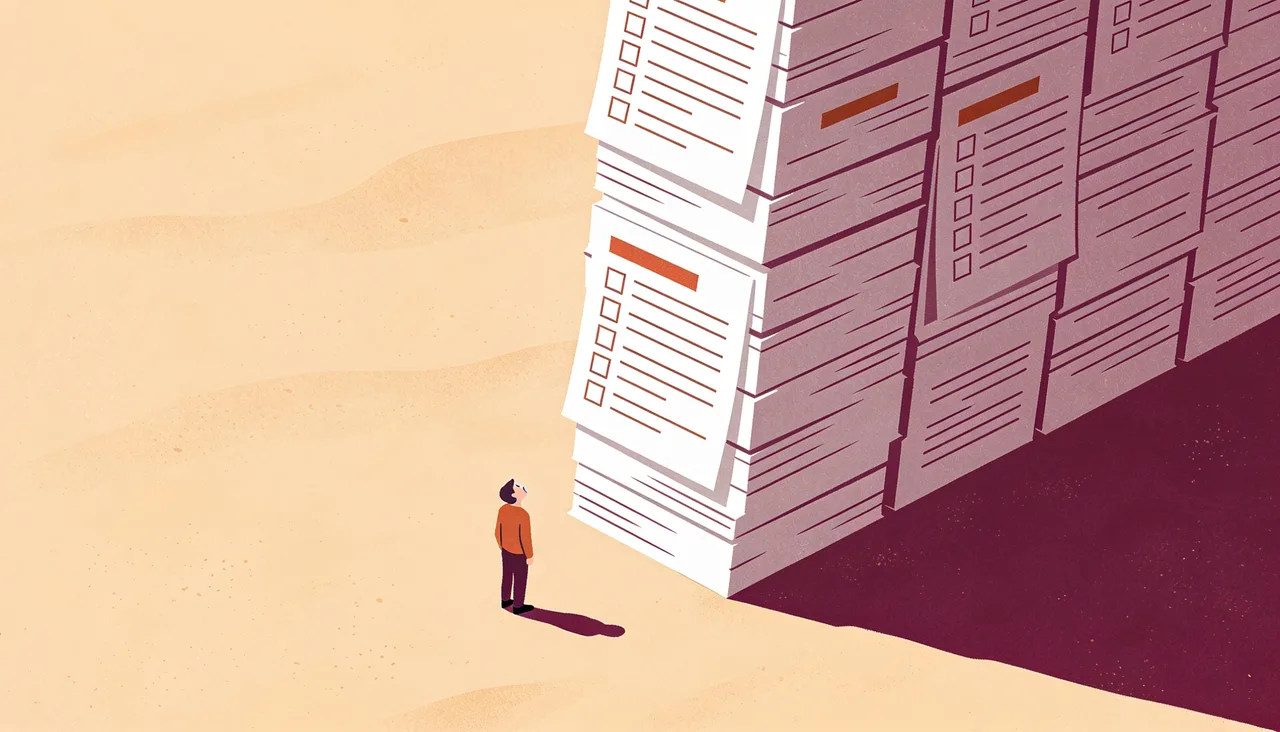
You spent an afternoon in a survey builder. You wrote twelve thoughtful questions, added a progress bar, and sent it to two thousand people. Forty-one finished it. You know this story because it is everyone's story.
The uncomfortable truth is that nobody owes you ten minutes. A survey is a favor you are asking of someone who was in the middle of something else, and the price of that favor is measured in questions. Every question you add raises the price, and people quietly walk away from expensive favors.
Survey fatigue is a design problem, not an audience problem
It is tempting to blame the audience: people are busy, attention spans are short, the email went to spam. But the same people who abandon your questionnaire will happily tap a star rating after a taxi ride without thinking twice. The difference is not motivation. It is effort. One tap is below the threshold where answering feels like work; a form is far above it.
Worse, long surveys do not just lose volume, they lose the middle. The people who finish twelve questions are disproportionately the delighted and the furious, because only strong feelings justify the effort. The quiet majority, the people drifting from fine to slightly annoyed, are exactly the ones you needed to hear from, and they are the first to close the tab. What survives is a dataset with the middle hollowed out.
Asking at the wrong moment
The second failure is timing. A survey emailed three weeks after the experience asks people to remember how they felt, and memory is a poor narrator. Feedback collected in the moment, on the page where the experience happened, captures what people actually felt rather than the story they later tell themselves.
What works instead
Shrink the favor until it is almost free, then ask at the right moment:
- Ask one question. One question gets answered between two sips of coffee. We wrote a whole piece on why one question beats twelve.
- Make answering one tap. An emoji, a star, a thumb. The comment box comes after the tap, optional, for the people who have more to say.
- Ask in the moment. On the page, right after the purchase or the support chat, while the feeling is still real.
- Watch the trend, not the score. A single 3.8 means little. A 4.4 that became a 3.8 over six weeks is a story you can act on.
The goal is not more data. It is more honest answers from more of the people you serve, often enough to see the direction of travel. A one-tap question asked every week will outrun a quarterly questionnaire every time, simply because people actually answer it.